Signs of Autistic Burnout
The Silent Exhaustion
Autistic burnout doesn’t always arrive loudly. Sometimes it slips in quietly, one small loss of energy at a time.
You might still be showing up.
You might still be doing all the things.
But everything feels heavier than it used to.
Village Reminder
Burnout doesn’t mean you failed. It means you carried more than your system could hold.
Autistic burnout is not the same as stress, depression, or “just needing a vacation.” It’s a state of deep nervous system exhaustion that often comes from long-term masking, sensory overload, unmet support needs, and pushing past your limits for too long. I’ve seen it a lot in autistic adults who were never diagnosed as children. They reach a certain point where navigating the neurotypical world becomes overwhelming. After decades of pushing through sensory overload and “masking” to fit in, they simply hit a wall where they can’t do it anymore.
Here are some signs that might mean you’re experiencing autistic burnout.
1. Things You Could Do Before Feel Impossible Now
Tasks that once felt manageable, such as emails, conversations, and basic routines, now feel just overwhelming or unreachable. You find yourself procrastinating things that once seemed simple, that would only take you a few minutes to do.
This isn’t a lack of motivation.
It’s your system running on empty.
You might keep telling yourself you’re “just out of practice,” even though rest doesn’t seem to bring your energy back.
2. Your Sensory Tolerance Has Dropped
Sounds feel sharper.
Lights feel brighter.
Textures feel unbearable.
You may notice sensory overload happening faster or more intensely than before. When you’re burnt out, your nervous system has less capacity to filter input. This isn’t you becoming “worse” at coping.
3. Rest Doesn’t Feel Restorative
You sleep, but you don’t feel rested.
You take breaks, but the exhaustion stays.
Autistic burnout isn’t fixed by a weekend off. It often requires longer-term reduction in demands and increased support. Needing deeper rest doesn’t mean you’re lazy. It means your body is asking for recovery, not recovery shortcuts.
4. Masking Feels Harder—or Impossible
You may find it harder to:
- Make eye contact
- Control facial expressions
- Follow social scripts
- “Push through” discomfort
Village Note
This isn’t regression. It’s your brain protecting itself by conserving energy.
5. Increased Shutdowns or Meltdowns
You might experience:
- More shutdowns than usual
- Meltdowns that feel harder to recover from
- A stronger urge to withdraw
Many autistic people notice these changes during burnout, even if they’ve gone years without them before.
6. Loss of Skills or Executive Function
You may struggle with:
- Planning
- Starting tasks
- Switching between tasks
- Remembering things you normally wouldn’t forget
This can feel scary and disorienting, but keep in mind that skills don’t disappear forever. Burnout can just temporarily limit access to them.
7. Emotional Numbness or Heightened Emotions
Some people feel flat and disconnected. Others feel everything all at once. You might feel both on the same day! Both responses are valid burnout experiences.
8. A Strong Need to Withdraw From the World
You may crave isolation, not because you don’t care, but because interaction costs more energy than you have. Wanting solitude during burnout is self-preservation, not rejection.
9. Increased Physical Symptoms
Burnout can show up in the body:
- Headaches
- Muscle pain
- GI issues
- Getting sick more often
Village Note
Your body often speaks before your words can catch up.
10. A Persistent Feeling That You “Can’t Do This Anymore”
Not in a dramatic way. Just a quiet, constant sense that something has to change. This feeling is information. It deserves care, not dismissal.
A Village Reminder
Autistic burnout is not a personal failure. It’s often the result of surviving in a world that asks too much and supports neurodivergent people too little.
Recovery is not about fixing yourself. It’s about reducing pressure, honoring your needs, and allowing support, whether that comes from people, accommodations, routines, or rest.
You’re Not Alone
Sometimes the village needs to carry you for a while. That’s what villages are for.
Disclaimer: I am a special education teacher and a parent, not a medical professional or licensed therapist. The information shared on Our Autism Village, including this post on autistic burnout, is for educational and supportive purposes only and should not be taken as medical advice. Please consult with a qualified healthcare provider regarding specific diagnoses, treatments, or medical concerns for yourself or your child.
Featured Resource
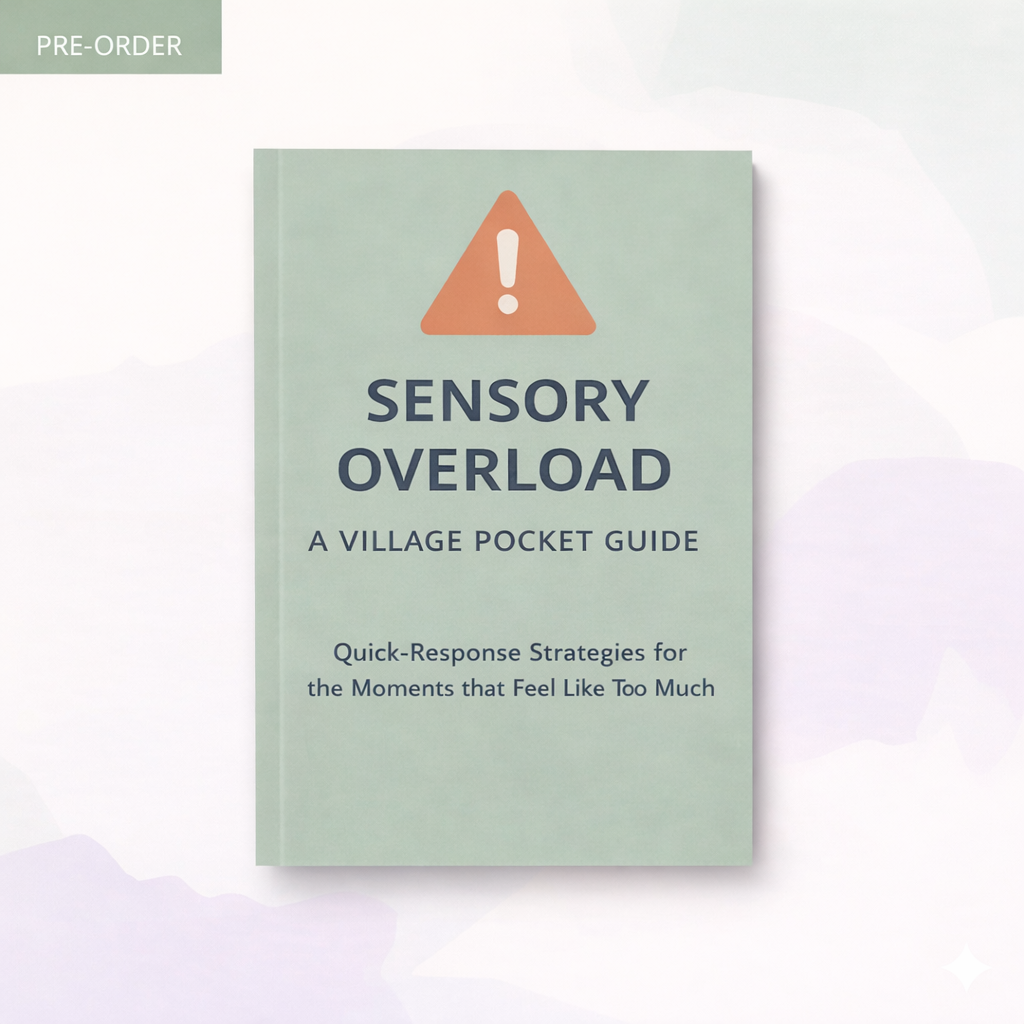
Sensory Overload: A Village Pocket Guide
A calm, easy-to-reach digital resource for moments when everything feels like too much. Inside, you’ll find quick-response strategies designed to support regulation, reduce overwhelm, and help you feel grounded—without pressure to “push through.”