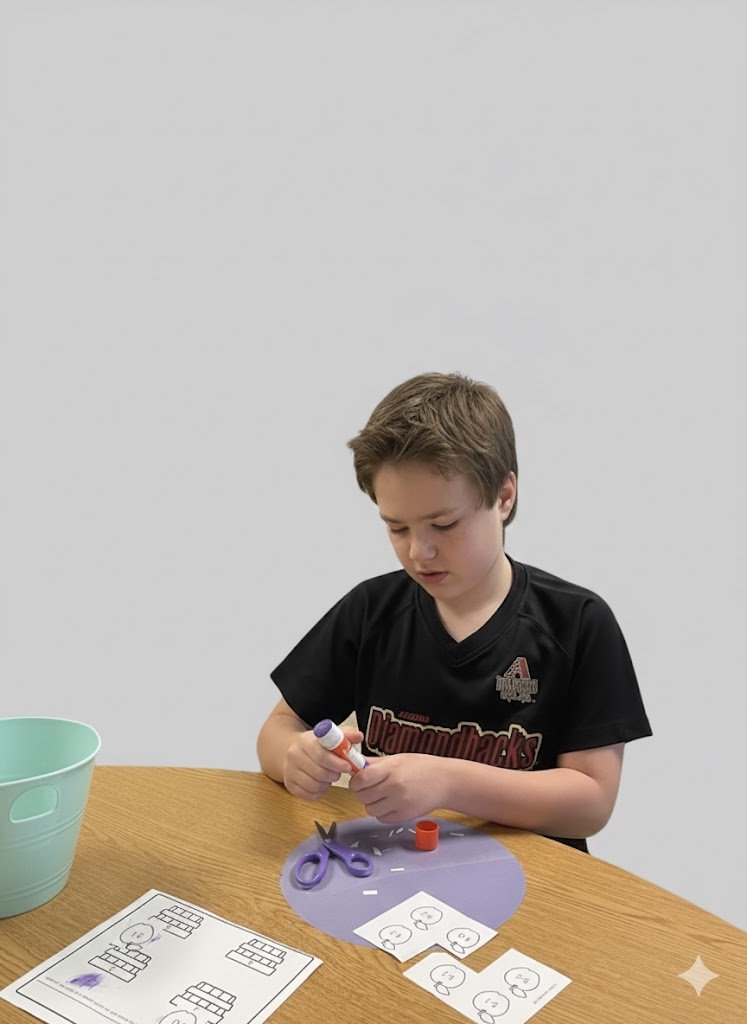
3 Small Ways to Reduce Pressure on Hard Days
The Reality of Hard Days at Home
Hard days happen here. They happen more often than I’d like to admit, and they rarely look dramatic from the outside because we tend to keep them to ourselves.
Sometimes it’s a morning where just getting out the door for school is a battle. Sometimes it’s a bedtime routine that simply isn’t working. Other times, it’s just the feeling that everything is louder, brighter, and harder than usual — even when nothing big has technically gone wrong.
When you’re raising neurodivergent children, hard days can stack quickly. Emotions rise faster. Transitions take more energy. The world feels less forgiving. And before you know it, you’re carrying not just your child’s stress, but your own expectations on top of it. I feel that deeply when we’ve had a series of hard days in a row.
There’s a quiet pressure that creeps in on days like these. Pressure to keep things moving. Pressure to hold it together. Pressure to fix what feels off so everyone can get back on track.
For a long time, I thought that pressure was part of being a good parent. I believed that pushing through was the goal. I believed everything would work out like it was supposed to if we just forced ourselves forward.
It turns out, those beliefs were only making hard days even harder for us.
Why Reducing Pressure Matters More Than Fixing Everything
On hard days, the instinct to fix things kicks in fast. We want the meltdown to stop. The resistance to pass. The day to feel like “our normal” again.
But fixing everything usually adds more pressure — not less.
When pressure rises, regulation drops. For kids and for adults. Conversations get shorter. Patience thins. Small problems start to feel personal. Everyone’s nervous system stays on high alert.
Reducing pressure changes the entire tone of the day. It doesn’t mean giving up. It doesn’t mean letting things slide forever. It means choosing emotional safety over productivity, and connection over control. At least for now.
When pressure goes down, space opens up. Space to breathe. Space to respond instead of react. Space for kids to feel safe enough to settle, and for parents to stop bracing for the next thing.
That’s where real progress happens — even if it doesn’t look impressive.
1. Say Less, Feel More
On hard days, fewer words help.
Not every feeling needs an explanation. Not every reaction needs a lesson. Not every moment needs to turn into a teaching opportunity. Sometimes the most supportive thing we can do is simply notice what’s happening and stay present.
“I see this is hard.”
“That makes sense.”
“I’m here.”
That’s it.
Those words don’t fix the problem, and that’s okay. They tell your child they aren’t alone in the moment they’re in. And that sense of safety does more for regulation than any long explanation ever could.
Saying less also takes pressure off you. You don’t have to perform calm. You don’t have to find the perfect response. You just have to stay. Often, that quiet presence is what allows things to soften on their own.
2. Lower the Bar (Just for Today)
Hard days are not the days to push new skills, tackle big goals, or insist that everything happen “like it usually does.”
This is where lowering the bar becomes an act of care, not failure.
Lowering the bar might mean adjusting expectations. Letting routines bend. Choosing rest over progress. Accepting “good enough” without guilt. It might mean fewer tasks, simpler meals, or more downtime than usual. It might mean letting go of plans that suddenly feel too heavy to carry.
This doesn’t undo growth. It protects it. I can’t tell you the number of times we’ve all had to retreat to our quiet spaces just to “be” for a few minutes. Then we come back together, calmer and more regulated than before.
Hard days pass more easily when we stop asking everyone to perform through them. Tomorrow can hold structure and forward motion again. Today just needs calm.
3. Choose One Point of Connection
Connection doesn’t need to be big or meaningful to count. On hard days, we focus on one small way to stay connected without pressure.

Sitting in the same room.
Reading the same book again.
Cooking something familiar.
Taking a short walk.
Doing nothing together.
One point of connection can anchor the whole day. It sends a quiet message: We’re okay. We’re still together. This day doesn’t get to take that from us.
When everything else feels unsteady, that one shared moment can be enough to shift the tone — even just a little. And on hard days, a little matters.
Small Changes Still Count
None of these ideas are complicated. That’s intentional.
Reducing pressure isn’t about creating a perfect plan or following a system. It’s about making small choices that protect emotional safety when things feel hard. Those small choices add up slowly, often in ways we don’t notice right away. Until one day, the hard days don’t feel quite as overwhelming as they used to. They still exist, but they pass more gently.
Progress doesn’t always look like forward motion. Sometimes it looks like staying soft in moments that used to feel sharp.
A Gentle Village Reminder
If today didn’t go how you hoped, it’s okay to begin again.
You don’t need to reset everything. You don’t need to do better next time. You don’t need to explain yourself. You’re allowed to meet hard days with less pressure and more grace — for your child and for yourself.
Hard days happen. And you’re still doing meaningful work in the middle of them.
Share Your Tip
If you’ve found something that helps reduce pressure on hard days, I’d love to hear it. Share with the Our Autism Village community in the comments.
Affiliate Disclosure
To help keep Our Autism Village running, some links in this post are affiliate links. If you make a purchase through them, I earn a small commission which helps me continue creating resources for our community.
Medical Disclaimer
I am a Special Education Teacher and a parent, but I am not a doctor, psychiatrist, or licensed medical professional. The information on this website is for educational and informational purposes only and is not a substitute for professional medical advice, diagnosis, or treatment. Always seek the advice of your physician or other qualified health provider with any questions you may have regarding a medical condition.
Featured Resource
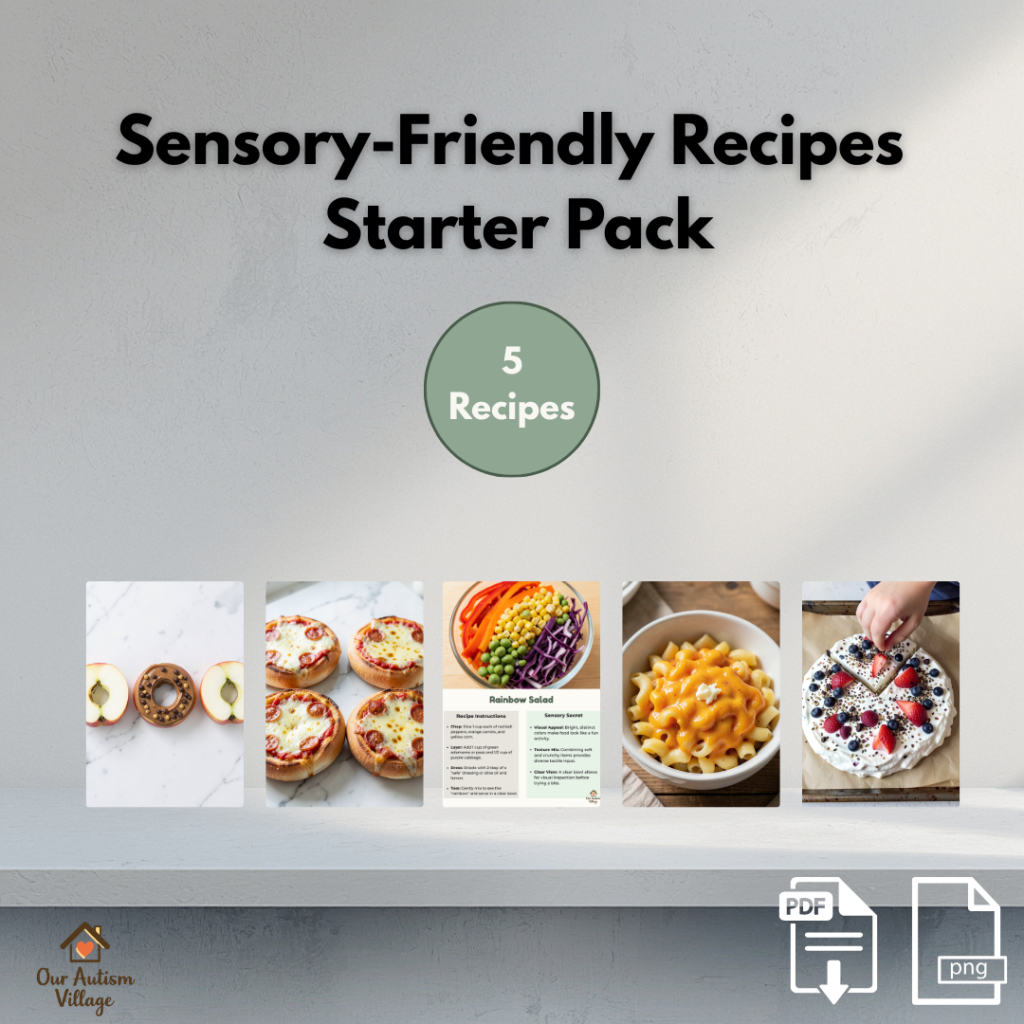
A Gentle Kitchen Resource ⭐
On hard days, connection matters more than completion. Our Digital Sensory-Friendly Recipe Starter Pack offers simple, low-pressure ways to spend time together in the kitchen — without expectations or overwhelm.