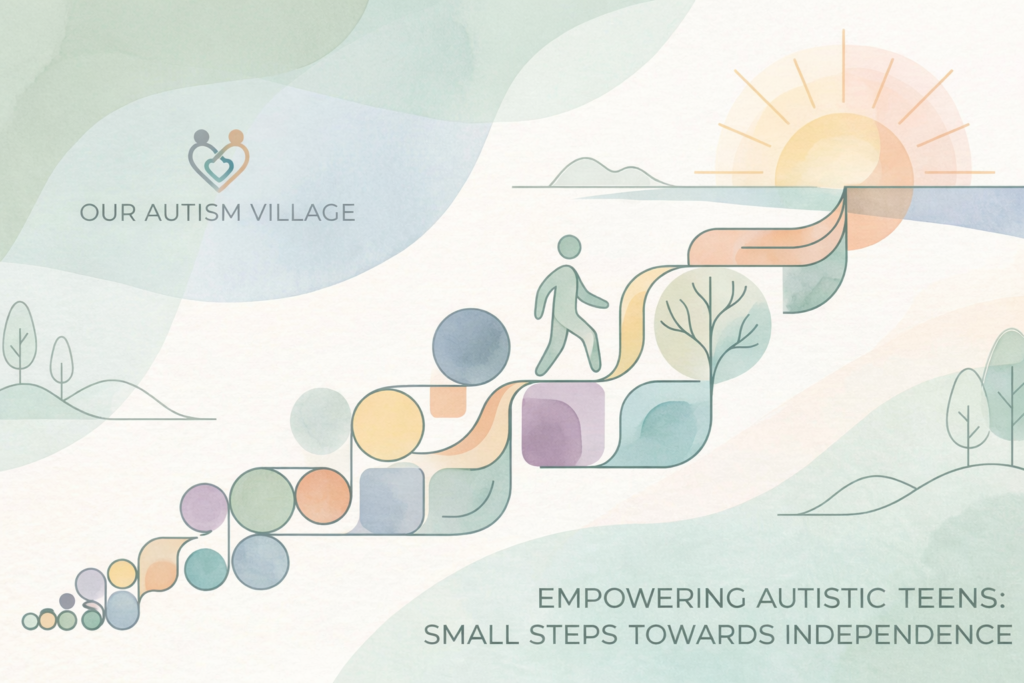
Independence isn’t a destination we reach overnight; it’s a collection of small, sometimes messy, but always significant victories. As a mom to four, including two sons on the spectrum, I know firsthand that autistic teen independence looks different for every child. For my boys, N and L, the finish line moves as they grow, and our focus shifts with them.
Right now, with N (18), our “small steps” are centered on the morning routine. We are still working on the essentials of leaving the house looking presentable—making sure the hair is brushed, the deodorant is on, and he’s chosen a clean jacket. We have been working on this for a while because N could care less about what he looks like. For some reason, he doesn’t like to look in mirrors, so it’s still up to mom and dad to make sure he’s presentable for the outside world. It’s a work in progress, but it’s the bridge to his next big leap: finding a job.
With L (16), the focus is closer to home. We are currently working on the art of cleaning up after ourselves. It sounds simple, but for an autistic teen, managing the executive function required to see a mess and follow through on clearing it is a major milestone.
Whether you are navigating hygiene, chores, or social cues, here is how we can break down these big concepts into manageable growth.
Setting Realistic (and SMART) Goals
Establishing a roadmap is the only way to stay sane. I’ve found that using the SMART criteria I learned as an educator helps keep my expectations—and theirs—in check.
- Specific: Instead of saying a broad statement like “clean up your room,” we say, “First, put your clothes in the laundry basket. Then, take out your trash.”
- Measurable: Find a way you can measure their progress. For L, it might be something like “Clear your plate from the table 3 times this week.” For N, it might be “Remember to put on deodorant without a reminder 3 times this week.”
- Achievable: Make sure the goal is realistic for them. If your goal is to get your child out in the workforce, don’t aim for a 40-hour work week if they haven’t yet mastered a 2-hour volunteer shift. Start small and gradually increase the goal.
- Relevant: Work on something that your child will find highly relevant. If they love to eat, start with meal prep. If they love being outdoors, focus on yard work. If they like going on road trips, set a goal around cleaning out the car.
- Time-bound: This is when you’d like the goal to be achieved by. It might look like, “By the end of the month, we want to be able to leave the house for school without a clothing reminder.”
Daily Living & Executive Function
Mastering daily tasks is the bedrock of self-reliance. It’s about more than just “doing the work;” it’s about building the habit.
- Personal Hygiene: This is where we are with N. We use visual checklists in the bathroom to ensure no steps are skipped. Looking “presentable” is a social currency that helps him navigate the world with more confidence.
- Household Contributions: For L, cleaning up isn’t just a chore; it’s learning to respect a shared space. We use clear, predictable routines so he knows exactly what “clean” looks like.
Social and Decision-Making Skills
Autonomy means having a voice. We foster this by giving our teens the power to choose—even if the choices are small.
- Role-Playing: We practice social scenarios at home before they happen in public. This reduces the “social apprehension” that often holds them back.
- Choice Agency: Let them choose their clothes or their weekend activities. For N, choosing his own outfits is part of the process of learning what is appropriate for different settings.
- Problem-Solving: When something goes wrong (and it will), I try not to jump in immediately. I ask, “What do you think we should do first?” This builds the resilience they’ll need when they eventually transition to the workplace.
The Power of Community
You don’t have to do this alone. Between vocational training, local support groups, and community programs, there are resources designed to bridge the gap between high school and adulthood. These programs are vital for N as he begins to look toward employment, offering a “safe” place to practice professional skills. For kiddos like L, who will require a lifelong caregiver, your journey probably looks a little different. You may have community supports for respite or adult day programs. Supporting autistic teen independence is much easier when you have a village behind you.
Celebrate Every Win
In our house, we celebrate the “presentable” days and the “clean room” days just as much as the big birthdays. A visual progress chart or a simple, “I’m really proud of how you handled that today,” goes a long way.
Every small step L takes toward cleaning up, and every morning N steps out the door ready for the world, is a victory. We aren’t just teaching skills; we are building their belief in themselves.
What ‘small win’ is your teen working on this week? Whether it’s mastering the laundry or just remembering to brush their hair, I’d love to celebrate with you in the comments below. Let’s build our village together!
Medical Disclaimer
I am a Special Education Teacher and a parent, but I am not a doctor, psychiatrist, or licensed medical professional. The information on this website is for educational and informational purposes only and is not a substitute for professional medical advice, diagnosis, or treatment. Always seek the advice of your physician or other qualified health provider with any questions you may have regarding a medical condition.
Affiliate Disclosure
To help keep Our Autism Village running, some links in this post are affiliate links. If you make a purchase through them, I earn a small commission which helps me continue creating resources for our community.
Featured Resource
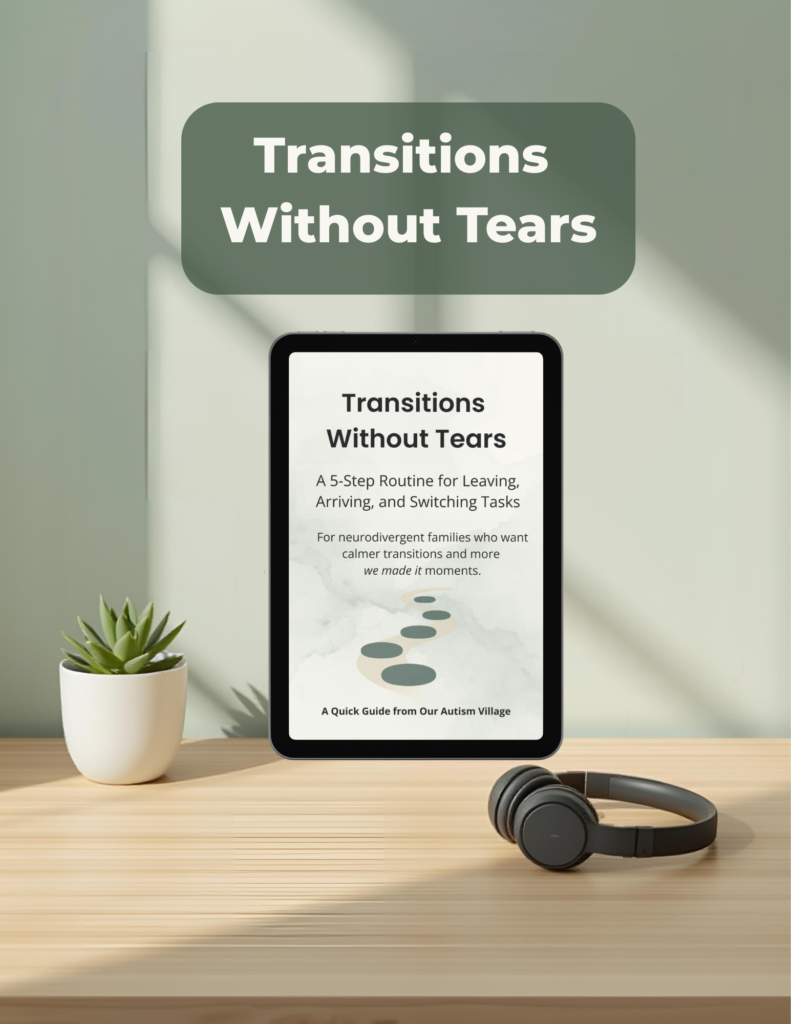
Printable Transition Toolkit
5-Step Routine + Scripts
Your Practical 6-Page Guide to Help Navigate Transitions
On Sale for $4.99