Disclosure: This post contains affiliate links. As an Amazon Associate, I earn from qualifying purchases at no additional cost to you. I only recommend products we have personally used in our journey with autism.
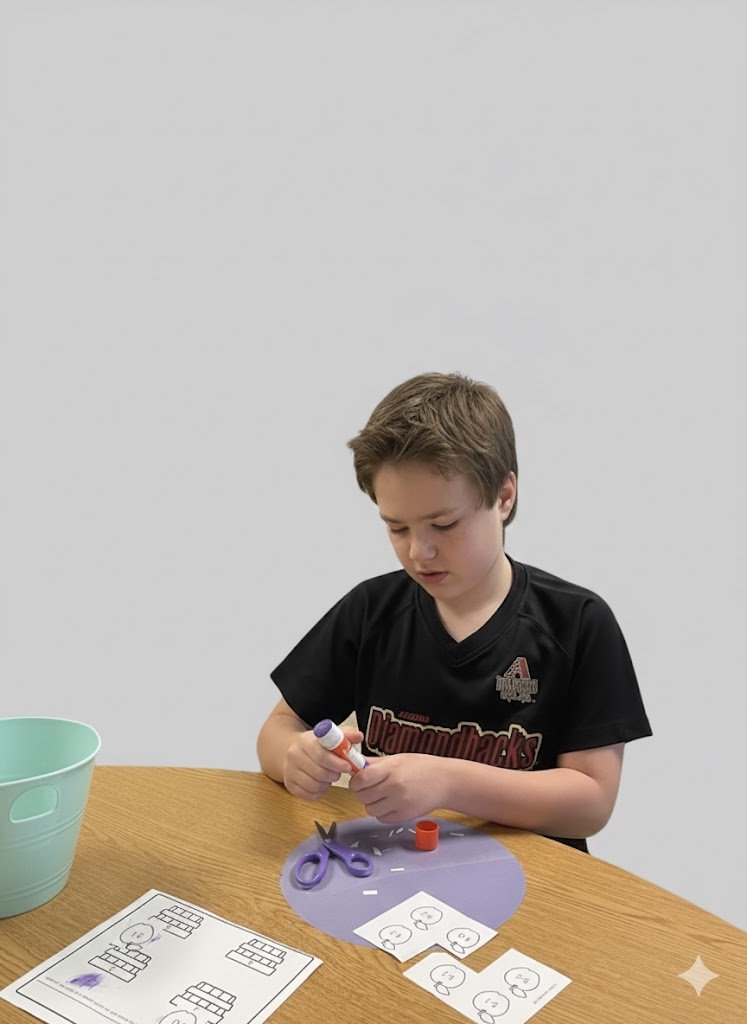
As a special education teacher, I see the “magic” of the classroom every day. For my son, and for so many of our kids, school provides a specialized safety net. It’s built on a foundation of predictable routines and visual schedules that tell his brain exactly what to expect. In that environment, he doesn’t have to waste energy worrying about “what’s next,” so he can focus that energy on learning.
The support of trained educators is a huge piece of the puzzle. They know how to spot a trigger before it becomes a meltdown and how to use an IEP as a living document to help him succeed. When he’s in that structured world, he feels secure, motivated, and capable.
The After-School Collapse: Understanding the Shift
If your child thrives at school but seems to “fall apart” the moment they walk through the front door, please know: you aren’t doing anything wrong.
Think of your child like a bottle of soda that’s been shaken up all day. At school, they are working incredibly hard to “mask,” to follow social rules, and to process sensory input like loud hallways and bright lights. They are keeping the cap on tight.
When they get home—their “safe harbor”—that cap finally comes off. The transition from a rigid school schedule to the unstructured flow of home can feel like a sensory cliff. They are exhausted, their “social battery” is on zero, and they finally feel safe enough to let all that pent-up stress out.
Finding Peace in the Chaos at Home
At school, the expectations are clear. At home, life is “unscripted.” There are siblings, noise, and the unpredictable nature of family life. It’s ironic, but the very comfort of home can sometimes be overwhelming because the boundaries aren’t as visible as they are in a classroom.
To help bridge that gap, we’ve had to bring a little bit of the “teacher world” into our living room. Here’s what has actually worked for us:
- The “Decompression” Zone: We created a quiet corner with soft textures and weighted blankets. It’s not a “time out” spot—it’s a refuge where he can go to let his nervous system reset.
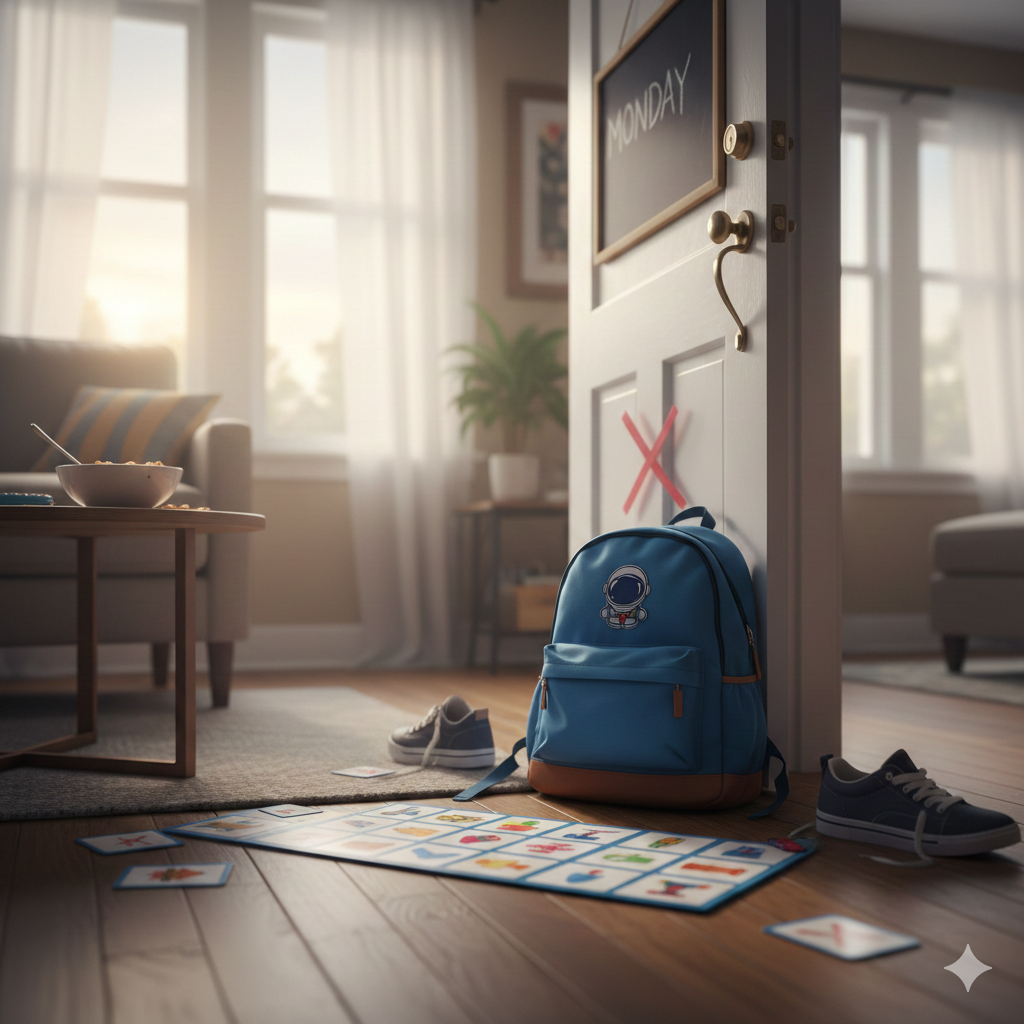
- Visual Transitions: Even a simple “first/then” board for the after-school routine can stop the spiral of uncertainty.
- Shared Calm: Sometimes the best therapy is just sitting together in silence, drawing or playing a game, without the pressure of “how was your day?”
Navigating this journey with my two sons has taught me that we don’t need a “normal” home; we just need a supportive one. Every child is different, and it takes time to find the rhythm that works for your family.
Did this post on emotional regulation help you? Stay updated on all our autism-related posts and resources. Subscribe to Our Autism Village today!
Featured Resources